Soy and Nutrition: Dietitian Insights
When was the last time you enjoyed some edamame, a good soy burger, or a lovely tofu stir fry? If your answer wasn’t, “Today,” then you just might be cheating yourself out of a delicious yet still nutritious meal 😊 And since April is National Soy Foods Month, it’s the perfect time to explore this amazing ingredient, discover why you might want to incorporate it into your diet and also clear up some misinformation.
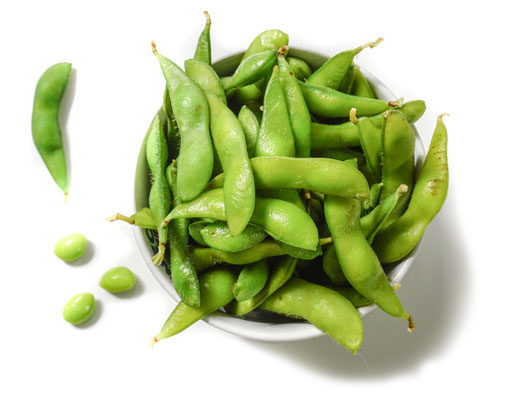
Soy, Soy Good
Let’s start with some basics. Soy is a nutrient-dense powerhouse, rich in B vitamins, fiber, potassium, magnesium, and healthy fats. It is also considered a complete protein, which means it provides all nine essential amino acids and is highly digestible. In fact, soy scores a perfect 1.0 Protein Digestibility Corrected Amino Acid Score (PDCAAS), putting it on par with eggs, lean meats, and fish as a top-notch source of protein.
It has other health benefits as well. According to the FDA, consuming about 25 grams of soy protein per day can lower LDL cholesterol and reduce the risk of cardiovascular disease, making soy the only plant-based protein that can make this claim. Additionally, the isoflavones in soy may improve cognitive function, reduce menopausal symptoms, and help maintain bone density, particularly in postmenopausal women1.
Shop Soy Foods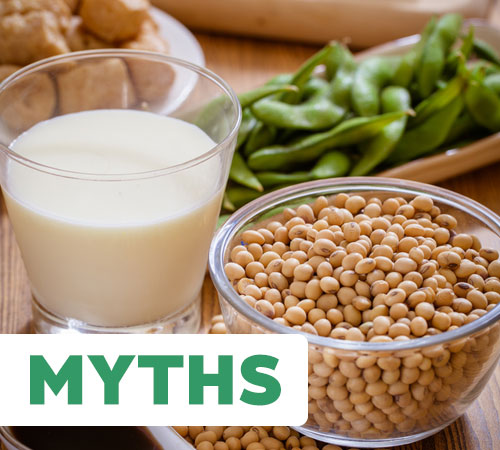
Debunked
But perhaps you’ve heard that too much soy consumption can cause breast cancer, lead to fertility issues, or lower testosterone levels. These outdated stories are actually myths that stem from a general misunderstanding about isoflavones, the compounds found in soy that have estrogen-like effects. Over the years, people have misinterpreted this fact to mean that consuming soy means consuming estrogen, which can unbalance both men’s and women’s natural hormones.
But various studies and clinical trials have proven these beliefs false. Moderate soy consumption does not harm hormonal balance and, in fact, may even offer some protection against hormone-related cancers like breast cancer, especially if you started consuming it early in life2-4. Regarding fertility, studies show virtually no adverse impact on fertility in either men or women5. And soy-based infant formulas have been safely used for over 60 years, with multiple health organizations, such as the American Academy of Pediatrics and the World Health Organization, asserting that they are safe for healthy infants.
Soy-sational Eats
Incorporating 25 grams of soy protein into your diet doesn’t have to be hard or time consuming. A half cup of firm tofu packs a whopping 20 grams of protein, while a cup of shelled edamame contains 17 grams. You can also get about 8 grams of protein in a single cup of soy milk and 15 grams in half a cup of tempeh.
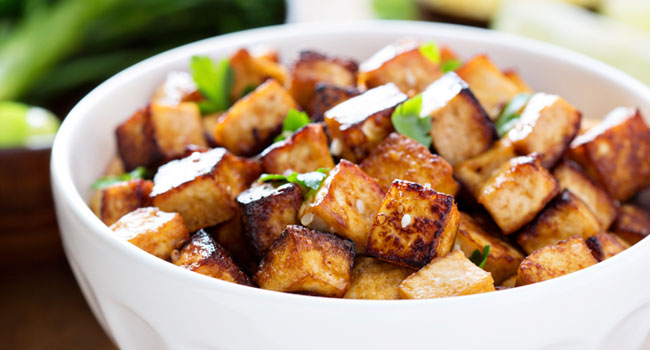
For breakfast, make a smoothie with soy milk and a scoop of soy protein powder—one scoop provides the full 25 grams of protein—or sauté crumbled tofu with veggies and spices for a hearty vegan scramble. At lunchtime, toss a cup of shelled edamame into your salad or enjoy a warm bowl of miso soup with cubed tofu. In between, nibble on roasted edamame seasoned with salt or garlic powder or snack on plain soy yogurt mixed with granola and fresh berries.
As for dinner, you can substitute pressed and cubed firm tofu for animal protein in most dishes. Tofu has a slightly shorter cooking time than chicken and fish, but otherwise, you can pretty much follow the recipe as-is. No worries if you can’t fully quit your inner carnivore; just substitute tofu for half the meat.

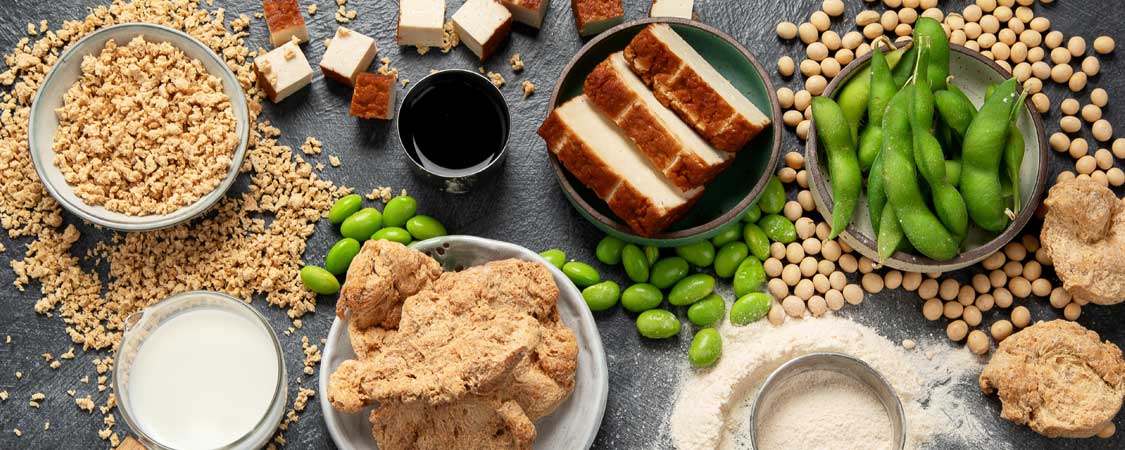
Celebrate Soy!
In short, soy is a versatile, nutrition-packed ingredient that easily fits into most diets. So, what are you waiting for? National Soy Foods Month offers the perfect opportunity to add more soy to your meals!
References
- The Health Effects of Soy: A Reference Guide for Health Professionals. (n.d.). https://doi.org/10.3389/fnut.2022.970364/full
- American Cancer Society. (2025, March 21). Soy and cancer risk: Our experts' advice. https://www.cancer.org/cancer/latest-news/soy-and-cancer-risk-our-experts-advice.html
- Mayo Clinic. (2022). Soy and breast cancer risk: Expert answers. https://www.mayoclinic.org/healthy-lifestyle/nutrition-and-healthy-eating/expert-answers/soy-breast-cancer-risk/faq-20120377
- Zhao, T. T., Jin, F., Li, J. G., Li, L., Chen, Y., & Xu, X. (2019). Dietary isoflavones or isoflavone-rich food intake and breast cancer risk: A meta-analysis of prospective cohort studies. Clinical Nutrition, 38(1), 136–145. https://doi.org/10.1016/j.clnu.2018.05.010
- MÃnguez-Alarcón, L., Afeiche, M. C., Chiu, Y. H., Williams, P. L., Gaskins, A. J., Toth, T. L., … Hauser, R. (2015). Male soy food intake was not associated with in vitro fertilization outcomes among couples attending a fertility center. Andrology, 3(4), 702–708. https://doi.org/10.1111/andr.12089