A Registered Dietitian’s Take on Fibermaxxing
A Registered Dietitian’s Take on Fibermaxxing
Like the seasons, dietary trends come and go, and for many, I say good riddance. But not all trends are created equal, and some, like fibermaxxing, can actually provide genuine health benefits, as long as you understand the science behind them. Understanding this science is what separates a short-lived trend from a helpful, long-term habit.
What is fibermaxxing?
Essentially, fibermaxxing is a new word coined by social media for a dietary practice that has always been a good idea—boosting daily fiber intake to improve digestion and overall health. Most Americans don't get enough of this vital nutrient, so I am in favor of a little social media attention for our friend, fiber.
Fiber basics
Let’s start with a quick fiber lesson (stay with me!). There are two types of fiber—soluble and insoluble—and both are important for your health.
Soluble Fiber
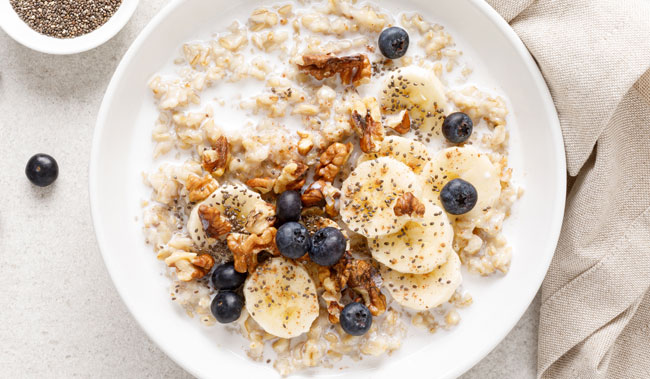
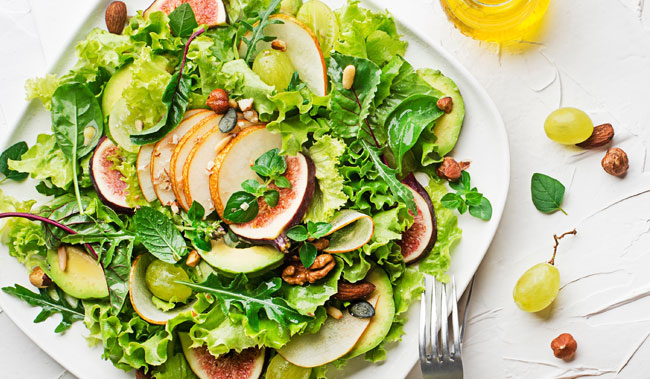
Soluble fiber dissolves in liquid and forms a gel-like substance that slows digestion, helps regulate blood sugar, and allows you to feel fuller longer. It also feeds the “good” gut bacteria that support your body in various ways. Soluble fiber is found in foods like oats, barley, beans, lentils, peas, flaxseeds, chia seeds, and fruits like apples, citrus and berries.
Insoluble Fiber
Insoluble fiber behaves differently. Instead of dissolving, it adds bulk to digested material, helping to form softer, more regular stools and keeps things moving in the digestive tract. It can help alleviate constipation and may reduce the risk of conditions like hemorrhoids and diverticulitis. This is found in foods like whole grains, bran, beans, lentils, cauliflower, leafy greens, popcorn and fruit skins.
Knowing the different roles fiber plays makes the recommended daily intake easier to appreciate. The USDA recommends women consume around 25 grams of fiber per day and men around 38 grams. Unfortunately, 95 percent of Americans fall far short of this goal, with the average adult getting only about half of what they need. Put simply, almost everyone would benefit from eating more fiber — which brings us back to fibermaxxing.
Slow and steady
For fibermaxxing to be safe and successful, it’s important to approach it mindfully. Start by estimating your current daily fiber intake, then slowly increase it by 3 to 5 grams at a time until you reach the recommended amount. Going too fast can lead to uncomfortable digestive symptoms, so gradual changes are key.
If uncomfortable symptoms do occur, don’t give up! Pay attention to how your body responds, adjust your fiber intake as needed, and be sure to drink plenty of water to aid digestion.
Fiber Filled Foods
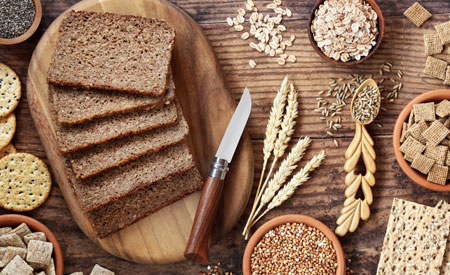
Whole Grains
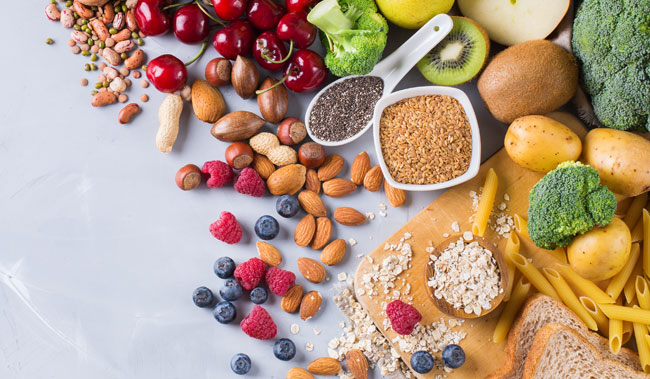
Like pasta, bread, oats, quinoa and popcorn.
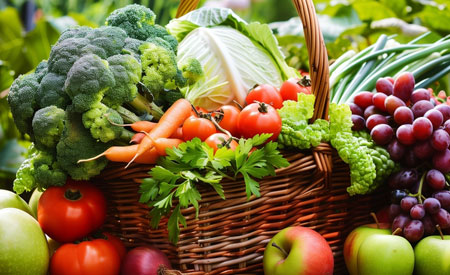
Fresh Fruits & Vegetables
Like apples, bananas, berries, avocados, carrots, sweet potatoes, broccoli and many more!
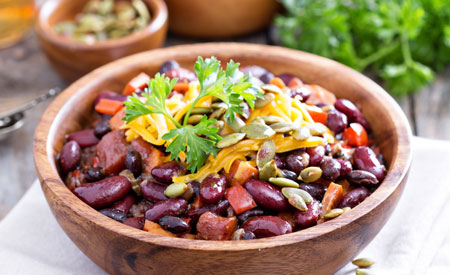
Beans & Legumes
Like black, pinto and kidney beans, lentils and split peas.
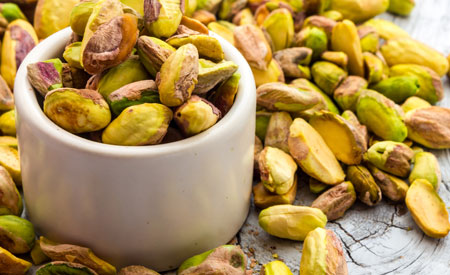
Nuts & Seeds
Like chia seeds, flaxseeds, almonds, pistachios and hazelnuts.
What about the new high-fiber products hitting the shelves?
So, we’ve covered which foods naturally contain fiber. But what about all the new high-fiber products popping up in the grocery aisles?
The biggest thing to keep in mind is that many foods that naturally contain fiber also contain a bunch of other beneficial nutrients. That isn’t always the case with some of the fancy fiber products on the shelves. While they may tout extra fiber, they might also be lower in other nutrients and higher in things like added sugar and sodium.
With that said, that’s not always the case and that doesn’t mean you need to avoid these products. In fact, they can be helpful for increasing your fiber intake and I am in favor of how they make it easier to do so. My advice is to stay mindful and aim to get your fiber from a variety of sources.
Check out some of my favorite fiber foods!
Fashion foodie
All in all, my take on fibermaxxing isn’t about chasing a trend or making dramatic changes to your diet. It’s about making informed food choices, listening to your body, and building habits you can stick with over time. Perfection isn’t required, and neither is complexity. By making small, consistent changes, the benefits naturally add up. After all, trends may come and go, but good health is always in fashion. 😊