

Heart-healthy eating doesn't have to be complicated. Explore dietitian-developed resources, shopping tools, product recommendations, and recipes to help you make informed choices that support your heart health goals.
New to Heart-Healthy Eating? Start Here.
Not sure where to begin? Start with our Heart-Healthy Living Brochure and Dietitian's Tips for a Healthy Heart resources for an overview of heart-smart foods, balanced meals, and simple habits that support heart health.
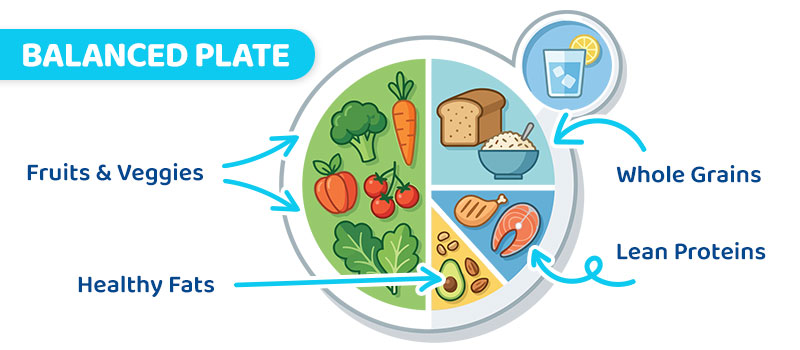
Nutrition Focus Areas
Fiber
Most Americans don't get enough fiber. Fiber can help support heart health and is naturally found in foods like fruits, vegetables, beans, lentils, nuts, seeds, and whole grains.
Quick Tips:
- Adult women need around 22–28 g of fiber per day, while adult men need 28–34 g.
- Look for foods with at least 3 grams of fiber per serving.
- Fill half your plate with fruits and vegetables.
- Choose whole grain breads, cereals, pasta, and brown rice more often.
- Add beans, lentils, or chickpeas to soups, salads, and meals.
- Snack on fruit, vegetables, nuts, or popcorn.
Shop Smarter
Looking for easy ways to add fiber? Focus on foods like:
- Fruits & vegetables
- Beans & legumes
- Whole grains
- Nuts & seeds
- High-fiber cereals
Easy Fiber Boosters
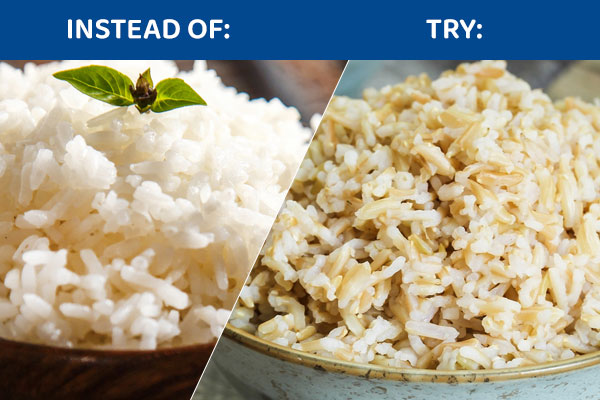
Instead of: White Rice
Try: Brown rice and other whole grain options
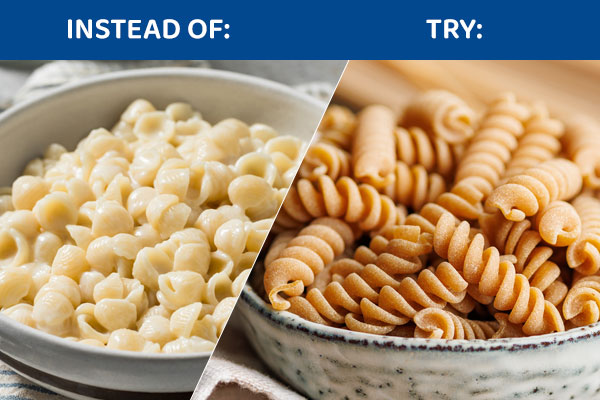
Instead of: Regular Pasta
Try: Whole grain or other high fiber pasta
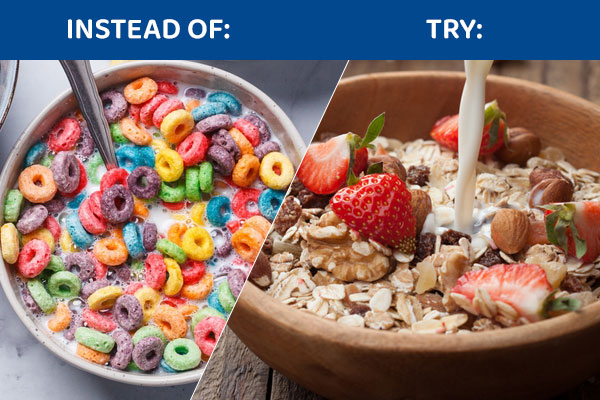
Instead of: Low-fiber Cereal
Try: Higher fiber cereal
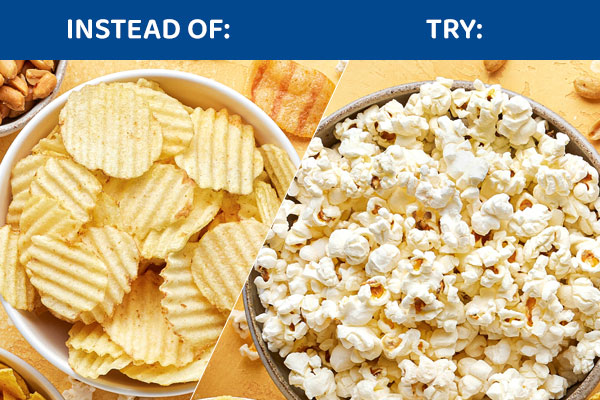
Instead of: Low Fiber Chips
Try: Whole Grain Chips or Air-popped popcorn
Lower Sodium Choices
Sodium is an essential nutrient, but many Americans consume more sodium than recommended. Choosing lower-sodium foods and finding new ways to flavor meals can support healthy blood pressure and heart health.
Download our free guide for simple, flavorful ways to reduce sodium without sacrificing taste.
View Sodium-Restricted Diet GuideQuick Tips:
- Swap out the salt shaker for salt-free flavor alternatives.
- Compare Nutrition Facts labels and choose lower-sodium products when available. We have tons of lower sodium options throughout our store!
- Fruits and vegetables are naturally low in sodium. Fill your plate!
- Shopping for canned items? Look for no salt added for the options lowest in sodium. Options labeled low sodium are your next best bet.
- Frozen vegetables without sauces or seasoning packets can be an easy lower-sodium option.
Everyday Lower Sodium Swaps
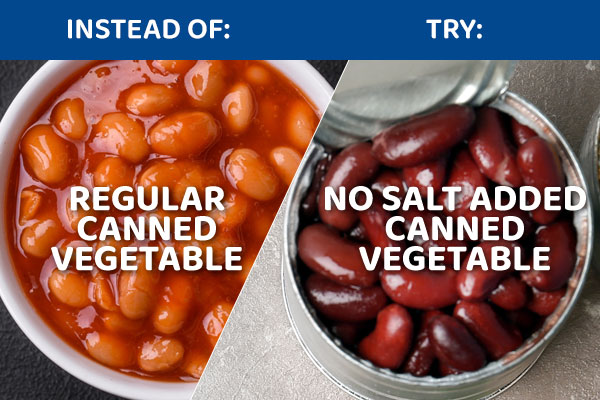
Instead of: Regular Canned Vegetable
Try: No salt added canned vegetables
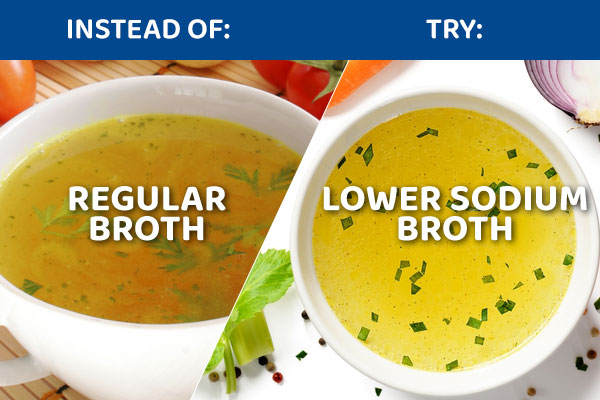
Instead of: Regular Broth
Try: Lower sodium broth
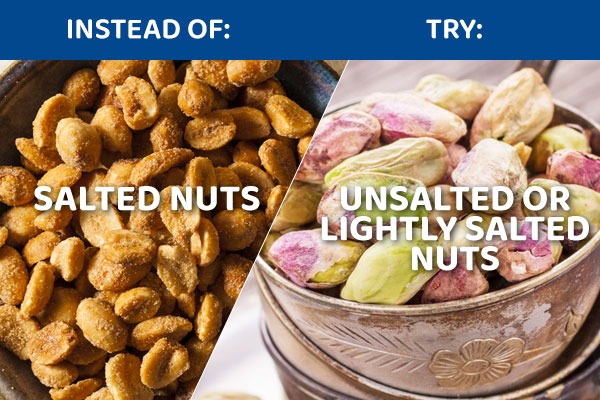
Instead of: Salted Nuts
Try: Unsalted or lightly salted nuts
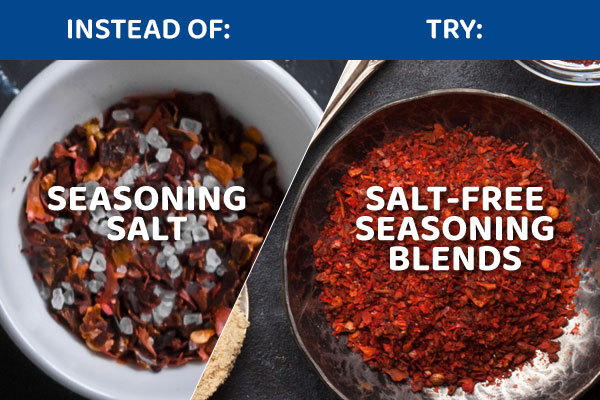
Instead of: Seasoning Salt
Try: Salt-free seasoning blends
More Lower Sodium Picks From our Dietitian
Limiting Added Sugar
Learning where added sugars exist can help you make choices that support your overall health and wellness. Small changes can add up and help support your heart health goals.
Start here! Explore our free guide for easy ways to identify and reduce added sugar while building balanced meals and snacks.
View Limiting Added Sugar Guide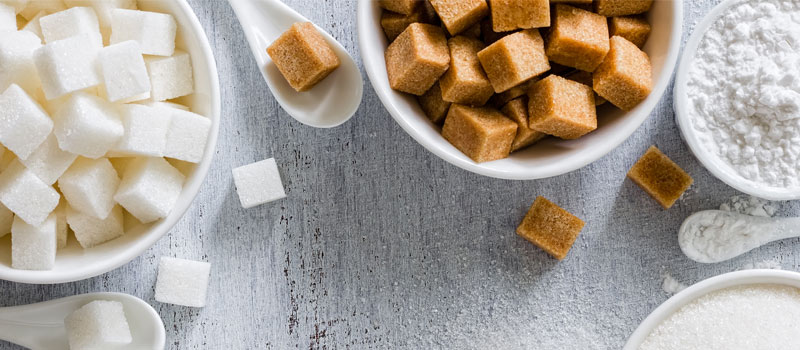
Natural vs. Added Sugar
Not all sugars are the same.
Added sugars are added during processing or preparation to sweeten foods and beverages. Common sources include soda, candy, desserts, flavored yogurt, breakfast pastries, sweetened cereals, and many packaged snacks.
Quick Tips:
- Focus on foods with little or no added sugar most often.
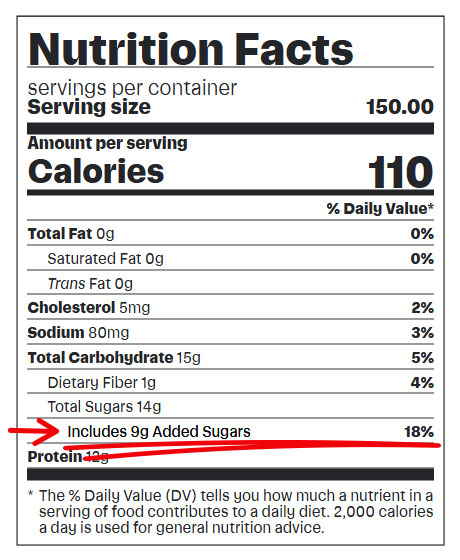
- Compare the Added Sugars line on the Nutrition Facts label when choosing between products.
- Swap sugary beverages for water, sparkling water, or unsweetened tea.
- Choose unsweetened versions of foods like applesauce, oatmeal, yogurt, and cereal when available.
- Fruit can be a naturally sweet way to satisfy a craving while also providing fiber, vitamins, and minerals.
Everyday Lower Sugar Swaps
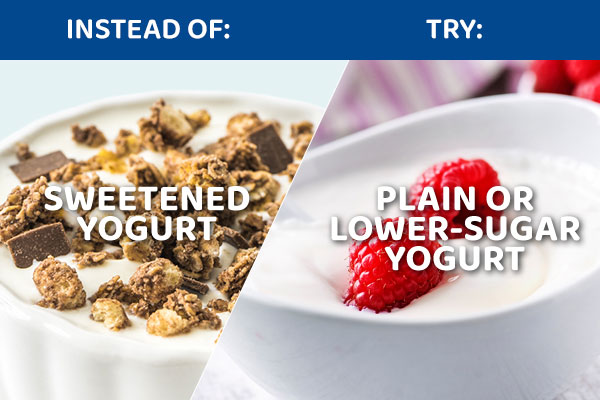
Instead of: Sweetened Yogurt
Try: Plain or lower-sugar yogurt
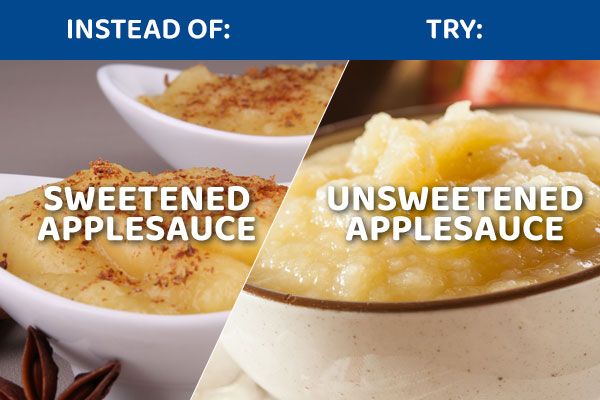
Instead of: Sweetened Applesauce
Try: Unsweetened applesauce
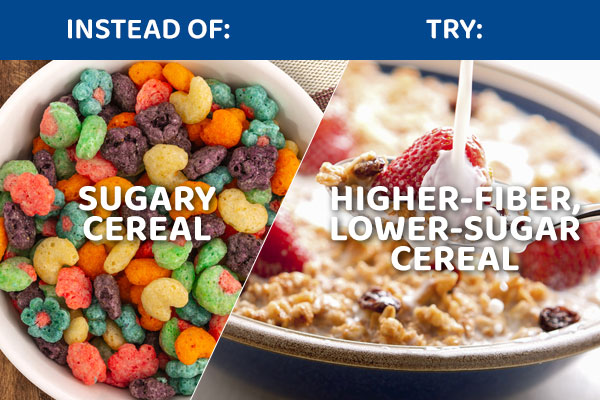
Instead of: Sugary Cereal
Try: Higher-fiber, lower-sugar cereal
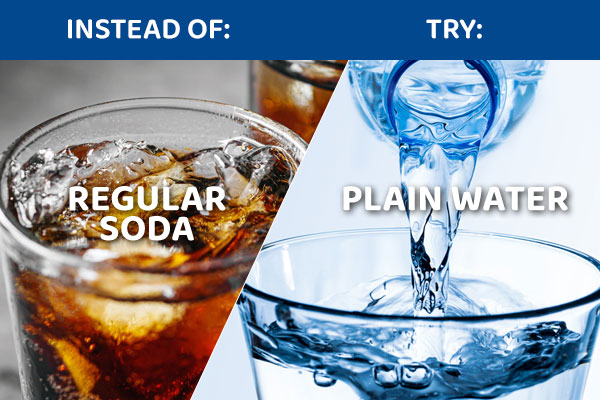
Instead of: Regular Soda
Try: Water or Sparkling Water
Lower Sugar Picks from Our Dietitian
Healthy Fats & Protein Choices
Choosing heart-healthy fats and lean protein sources can be part of a balanced eating pattern that supports heart health.
Fat Facts: It's About Choosing More of Some Fats and Less of Others
Not all fats are the same.
Choose More Often
These foods contain unsaturated fats, which can support heart health when used in place of saturated fats.
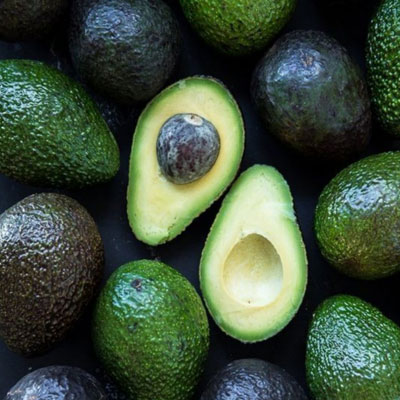
Avocados
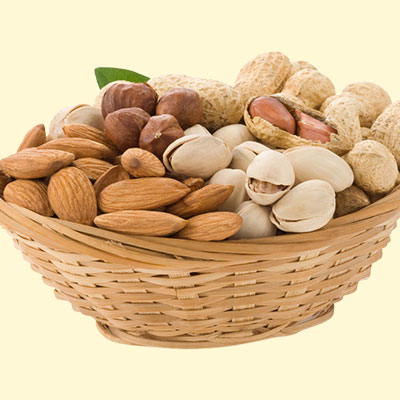
Nuts and seeds
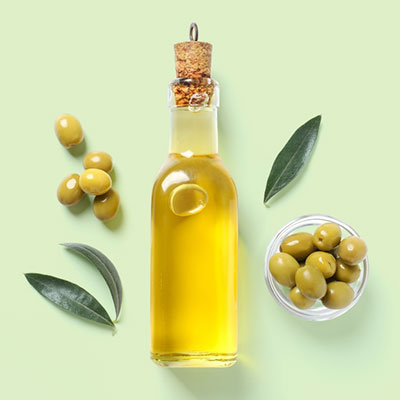
Oils higher in unsaturated fats like Uncap Olive oil and canola oil
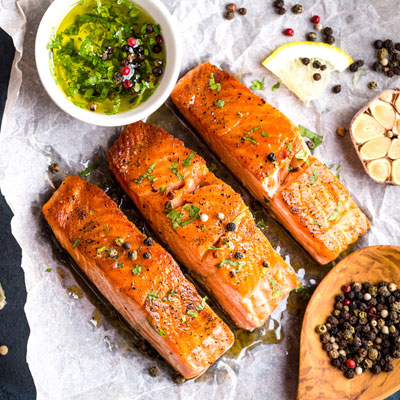
Salmon, tuna, and other fatty fish

Nut butters
Limit More Often:
These foods tend to be higher in saturated fats.
- Butter
- Bacon and sausage
- Fatty cuts of meat
- Full-fat dairy products
- Fried foods
Quick Shopping Tips:
- Include fish or seafood in your meal plan several times per month.
- Choose leaner cuts of beef and pork whenever possible.
- Swap butter for olive or canola oil when cooking.
- Add avocado to sandwiches, salads, and wraps for a source of heart-healthy fat.
Shop Smart
Looking for heart-smart protein options? Our dietitian has selected meat and seafood products that can help you build balanced, nutritious meals.
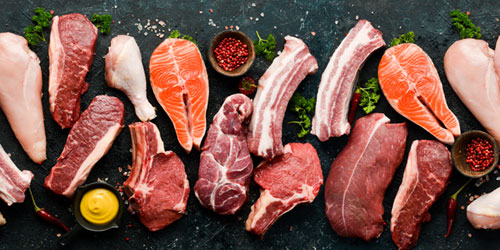
Meat & Seafood Guide
Check out our free printable guide for shopping the meat and seafood department
Download Dietitian's Pick: Meat & Seafood GuideHeart-Smart Meal Inspiration
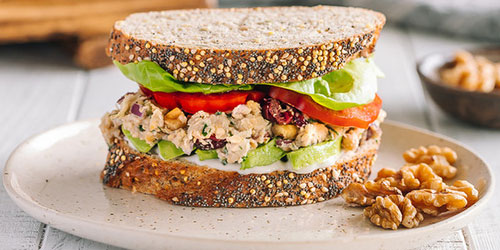
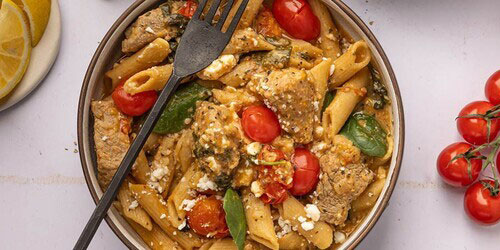
Put these tips into practice with delicious recipes featuring fruits, vegetables, whole grains, lean proteins, and healthy fats.




Additional Support
Healthy Benefits & Food Assistance Programs
Did you know eligible Healthy Benefits cards can be used to purchase qualifying foods that support your health goals?
We also accept SNAP and WIC benefits. Explore available food assistance programs and learn how they can help make nutritious foods more affordable.
Learn MorePharmacy Services
Managing your health often goes beyond nutrition. Our pharmacy team can help with prescriptions, immunizations, medication management, and other services that support your overall wellbeing.
Explore Pharmacy Services